What is an AI marketing employee, and how is it different from a tool
Published on November 25, 2026
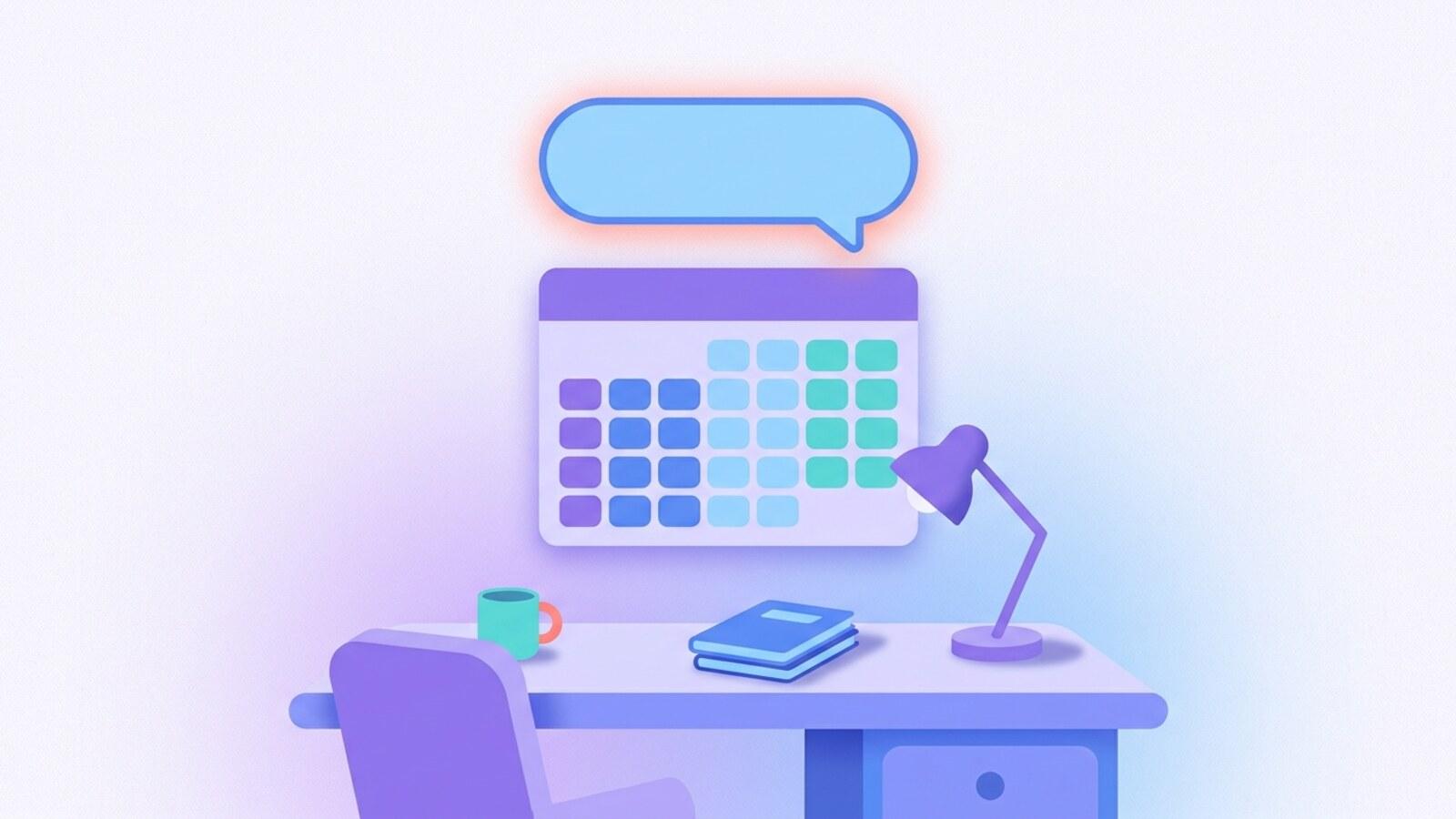
An AI marketing employee is software that does marketing work on its own: it plans content, writes and prepares posts, publishes them and reports how they did. Unlike an ordinary tool, it works without being opened, remembers your corrections and reports back. You set the goals, approve the work and decide how much autonomy it gets.
What does "AI employee" actually mean?
Dozens of products now call themselves an AI employee, and each means something slightly different. A more useful test than the label is what an ordinary week looks like. If the software sends you a plan of posts on Monday, publishes them during the week and tells you on Friday what went out and how it performed, it behaves like an employee. If it waits for you to start every task, it is a tool.
A new hire is a good comparison. You would not give a new colleague access to everything on day one. You explain what the business sells and how it talks to customers, you check their first pieces of work, and you hand over more as they prove themselves. The same applies to an AI employee, except that most of the training happens through your corrections to its drafts.
How is an employee different from a tool?
A scheduling tool, a text generator or a chatbot saves you time on work you still do yourself. An employee takes the work over. You can tell the difference by three things:
- It works without being opened. It keeps its own calendar and prepares the next posts from it. You do not have to remember that it is Thursday and something needs writing.
- It remembers your corrections. When you send a post back with a note such as "we never mention discounts in December" or "we call customers by their first name", it does not make the same mistake again. With a tool, you would repeat that instruction in every prompt.
- It reports back. You do not need to open dashboards to find out what happened. You get a message saying what was published, what is waiting for approval and what it suggests next.
If a product lacks one of these, it is a tool with AI features. That is fine, and plenty of businesses need nothing more. Just do not expect your marketing to run without you.
What can an AI employee do today?
It does best with work that repeats and follows clear rules. It can put together a content plan for a week or a month, write a separate caption for each network, prepare graphics in your brand colours and turn photos or a longer recording into a short video. It then schedules and publishes the posts at the agreed times.
Take Ember Mill, a small candle maker getting ready for its holiday collection. An AI employee suggests six posts over two weeks, prepares a caption and a graphic for each, and spreads them across the calendar so topics and networks alternate. The owner reviews the drafts in a few minutes, sends two back with a note and approves the rest.
Plan on reading every draft, though. Language models can write a confident sentence about something that is not true, such as a delivery date or what a product is made of. Check prices, terms and product facts until you are sure the software takes them from the right source.
What should stay with people?
Some work should stay with people even when software can technically do it. Four areas belong here:
Strategy. Who you sell to, how you stand apart from competitors and where the money goes are decisions for the owner or the marketer. An AI employee can make suggestions, but you set the direction.
Photo and video shoots. An AI can build graphics and short videos from material you already have. Someone still has to photograph your actual products, workshop and people. A generated product image that looks different from the real thing will disappoint the customer who buys it.
Personal relationships. Working with partners, journalists, creators or your biggest customers rests on trust between people. Software cannot build that for you.
Crisis communication. A complaint that is spreading, a botched order or a product recall calls for judgement, empathy and sometimes a lawyer. At most, the AI should prepare background material and leave the decision to you.
What should you check before you rely on one?
Before you hand your brand to an AI employee, ask five questions. You will find the answers in the product's settings or documentation, or you can ask the vendor.
Who approves what goes out?
The default should be that nothing is published without your consent. Find out whether you can decide who approves, and whether autonomy can be given to only part of the work, such as routine product posts, while you keep approving replies to reviews.
Can you read and correct what it has learned?
A memory you cannot see is a risk. If the software drew the wrong rule from one of your corrections, you need to find it and delete it. Ask where the rules live and whether you confirm each new rule before it is saved.
What access does it need?
It should connect to social networks through each network's official login, never with your password. For website statistics, read-only access is enough. Make sure you can withdraw any access at any time.
Can you undo a step?
Ask what happens when a post goes out with a mistake. Can you take it down? Do you get a message before publishing, with time to stop it? Can you lower the autonomy for that kind of work in one step?
Who is accountable for the result?
You are always accountable for what appears under your brand, including advertising claims, prices and terms. Name one person in the business who owns the AI employee, reads its reports and decides how much autonomy it gets.
How do you start small?
The safest start is one network, one kind of post, and approval for everything. Ember Mill could begin with Instagram and product posts only. Once a week the owner reviews the whole plan at once, approves what fits and adds a short note explaining why the rest needs changes.
After a few weeks you will see how many drafts you approve without edits. When that is most of them, you can give this kind of work more autonomy and add another network or another kind of post. Leave replies to comments, campaigns and anything involving money or reputation until you know how the employee performs.
In Artima, the employee writes captions, creates graphics and short videos, builds content plans, and schedules and publishes to social networks. It sends its work to an approval queue, learns from your corrections in the Playbook and reports regularly on what it did. You add autonomy level by level. You get access through the opt-in beta.
Summary
- An AI marketing employee takes the work over, while a tool helps you do it yourself.
- You can recognise one by three traits: it works without being opened, remembers corrections and reports back.
- Strategy, photo and video shoots, personal relationships and crisis communication stay with people.
- Before you rely on one, check approvals, a readable memory, access rights, the ability to undo, and who is accountable.
- Start with one network, one kind of post and approval for everything.
To see how this works in Artima, visit the AI marketing employee page.